
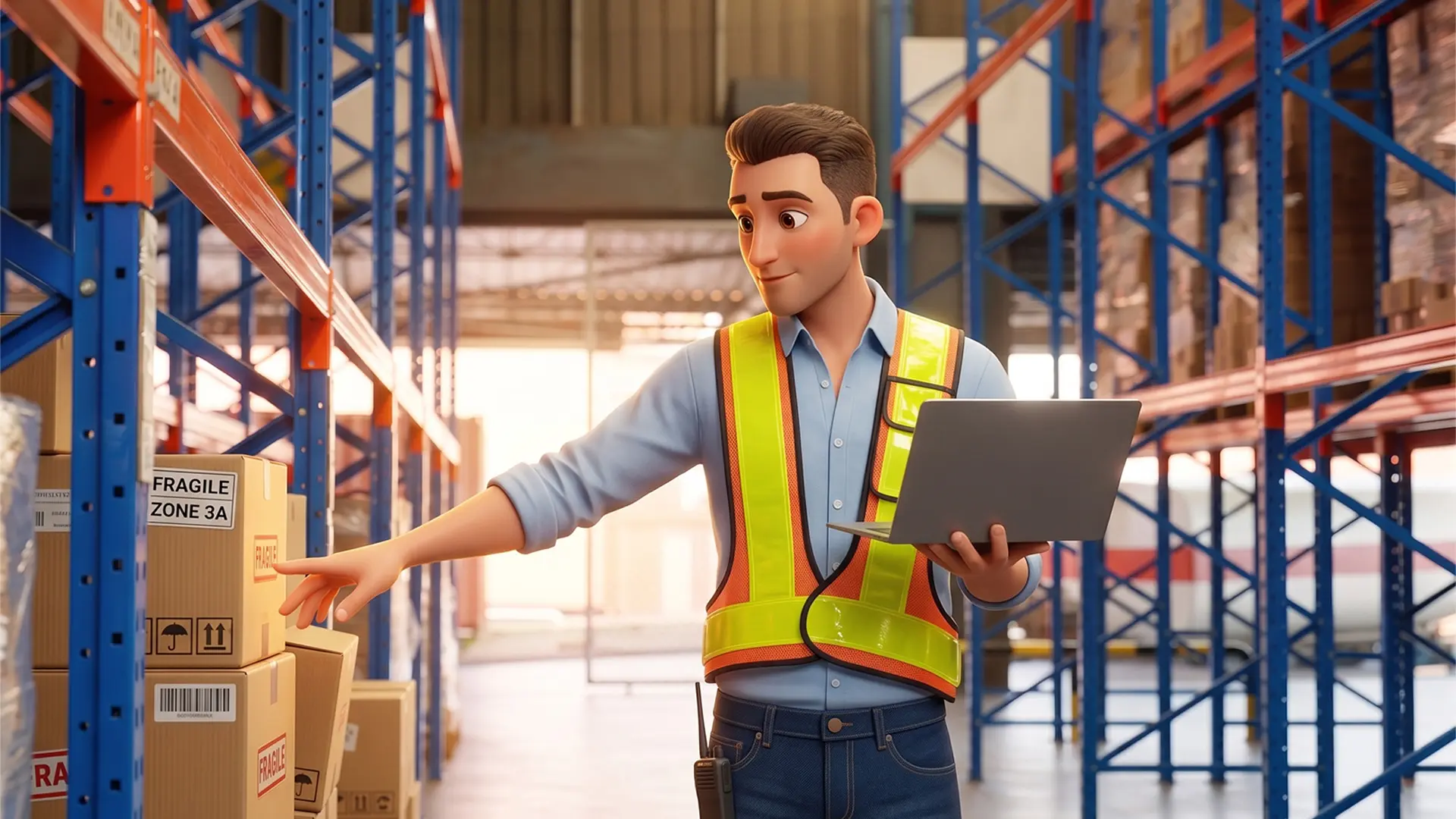
2026 is turning out to be a good year to work in warehousing, logistics, or manufacturing. Companies are actively hiring across all three, and in a lot of markets there are more open positions than people to fill them. That is not something you see everywhere right now.
For employers, the challenge is finding the right people fast enough to keep operations running. For job seekers, the window is wide open. Here is what is in demand and what you need to know.
Why Hiring Is Up Right Now
Online shopping keeps growing, and the warehouses behind it have to move faster every year. When people expect next-day delivery, the pressure falls on the workers picking, packing, and shipping those orders. That kind of demand needs more hands working every single shift.
Worker shortages have also dragged on longer than most companies expected. The gap between open roles and available workers has not closed, which means if you are looking for work right now, the timing is genuinely in your favor.
One more thing worth knowing – facilities are increasingly looking for workers who can handle more than one type of task. If you are flexible and willing to work across different parts of an operation, you are easier to place and more likely to stay employed long term.
Warehouse Jobs in Demand
Pickers and packers keep orders moving from shelf to shipment. Forklift operators move product through the facility, certification helps and opens more doors. Inventory specialists track stock and sort out discrepancies before they turn into bigger problems. In larger facilities, warehouse managers keep teams coordinated and on schedule.
Most of these roles do not require years of experience. A lot get filled through staffing agencies, so the process moves faster than a traditional job application.
Logistics Jobs in Demand
Logistics keeps everything connected – vendors, shipments, delivery timelines, handoffs between teams. Someone has to manage all of that or things fall apart quickly.
Logistics analysts look at delivery data and find ways to cut costs or improve timing. Transportation coordinators handle shipment planning and keep schedules on track. Supply chain coordinators make sure goods are moving correctly between teams. Operations managers handle planning and day-to-day execution.
If you are near a major distribution hub, demand in these roles is especially strong right now.
Manufacturing Jobs in Demand
Manufacturing still runs on people doing real work. Machine operators run production lines and monitor equipment throughout the shift. Quality inspectors catch problems before products move to the next stage. Maintenance technicians handle repairs and work to prevent downtime. Production supervisors manage teams and make sure daily targets get met.
Reliability matters more than almost anything else here. Companies want workers who show up and perform consistently, not just someone filling a seat.
Skills That Actually Get You Hired
Physical ability matters depending on the role, but employers are looking beyond that now.
Basic computer skills are genuinely useful since most inventory and tracking systems run on digital platforms. Problem-solving is valued because delays and equipment issues come up regularly. Communication matters in team settings where coordination happens throughout the entire shift. And flexibility – the ability to move between tasks without needing constant direction has become one of the most sought-after qualities across all three industries.
What Automation Means for Workers
More repetitive tasks are being handled by machines now, especially in warehouses and on production floors. But what companies keep finding is that automation changes what workers do, not how many workers they need. Someone still has to run the system, catch the errors, and handle situations the machine was not built for. Those are still human jobs, and they are not going anywhere.
How to Get Started
Take the entry-level role if that is what is available and treat it as a way in, not a ceiling. Learn the software your facility uses – that knowledge transfers. Get a forklift certification if you can, because it noticeably expands what you qualify for. Most people in supervisory roles today started on the floor and built up from there.
How ASAP Helps
ASAP works with employers who need to hire fast and job seekers who need to get placed in roles that are actually a good fit. We connect employers with pre-screened candidates across warehouse, logistics, and manufacturing, and we help people find openings aligned with their skills and availability. If you are ready to take the next step, reach out and we will help get things moving.
